
Turkey Brine Recipe
Brining turkey is a time-honored technique that transforms a simple bird into a succulent centerpiece bursting with flavor. Whether you’re preparing for Thanksgiving, a holiday feast, or a casual family dinner, a well-crafted turkey brine can elevate your dish to new heights. This article will guide you through a comprehensive turkey brine recipe that promises juicy, flavorful results every time.
Key Takeaways:
- Preparation time: 15 minutes (plus brining time)
- Difficulty level: Easy
- Main ingredients: Water, salt, sugar, herbs, spices
- Special techniques: Brining
- Storage information: Store in the refrigerator; use within 24 hours
Introduction to Turkey Brine Recipe:
Brining is an ancient preservation technique that dates back to the Roman Empire, where salt was used not just for flavor but also for food preservation. The concept of soaking meat in a saltwater solution has evolved over centuries, becoming a staple method for ensuring that poultry remains moist and flavorful during cooking. The process allows the turkey to absorb flavors and moisture, resulting in tender, juicy meat that is hard to resist.
In recent years, brining has gained popularity during festive seasons, particularly Thanksgiving, as home cooks seek to create the perfect turkey. Many people have rediscovered the joys of this traditional method, often experimenting with various spices and herbs to create their unique takes on turkey brine. By immersing the turkey in this aromatic solution, cooks can enhance their dish’s overall flavor profile, ensuring that every bite is as delightful as the last.
Ingredients for Turkey Brine Recipe:
1. Water: The base of the brine, providing moisture to the turkey.
2. Kosher salt: Essential for flavor and acts as a preservative, helping the turkey retain moisture.
3. Brown sugar: Adds a touch of sweetness and balances the saltiness.
4. Garlic cloves: Infuses the brine with a rich, savory flavor.
5. Black peppercorns: Provides a subtle heat and complexity.
6. Bay leaves: Contributes a fragrant herbal note.
7. Thyme: Adds earthy undertones and enhances the overall flavor.
8. Rosemary: Offers a pine-like aroma that complements the turkey beautifully.
9. Ice: Helps cool the brine quickly and maintain the turkey at a safe temperature.
Preparation Steps for Turkey Brine Recipe:
1. Prepare the Brine: In a large pot, combine 1 gallon of water, 1 cup of kosher salt, and 1 cup of brown sugar. Heat over medium heat, stirring until the salt and sugar are fully dissolved.
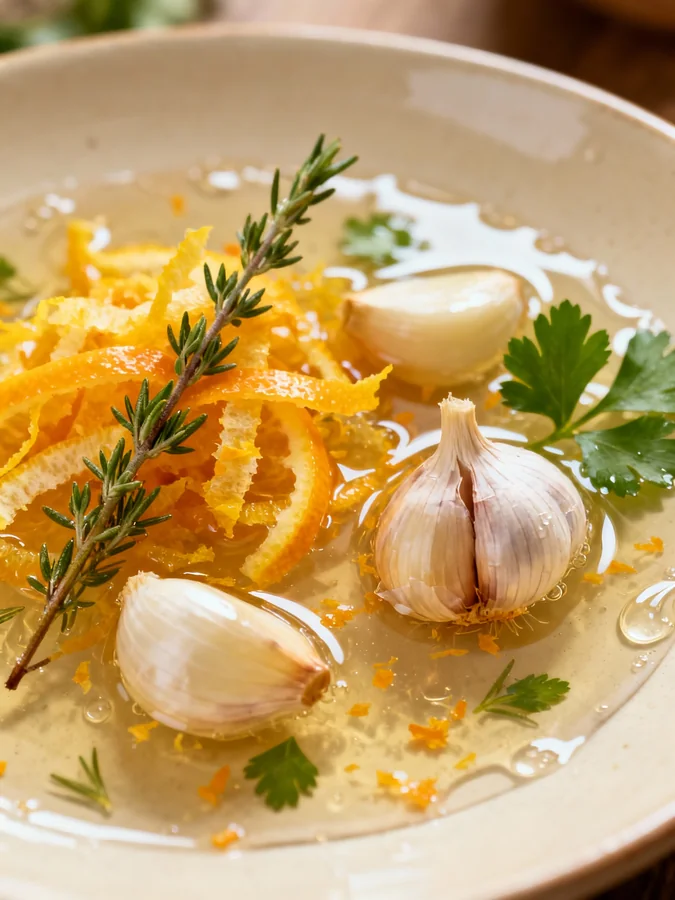
2. Add Aromatics: Once dissolved, remove the pot from heat. Crush the garlic cloves slightly and add them along with the black peppercorns, bay leaves, thyme, and rosemary to the brine mixture. Let it steep for about 30 minutes to allow the flavors to meld.
3. Cool the Brine: After steeping, add 1 gallon of ice to the brine to cool it down. It is crucial that the brine is cold before adding your turkey to prevent any food safety issues.
4. Prepare the Turkey: If your turkey is frozen, ensure it is fully thawed. Remove any giblets or neck from the cavity and rinse the turkey under cold water.
5. Brine the Turkey: Place the turkey in a large container or a brining bag. Pour the cooled brine over the turkey, ensuring it is fully submerged. If necessary, add more water to cover the bird completely.
6. Refrigerate: Seal the container or brining bag securely and place it in the refrigerator. Brine the turkey for 12 to 24 hours, depending on its size. A general rule is to brine for about 1 hour per pound.
7. Rinse and Dry: After the brining period, remove the turkey from the brine and rinse it thoroughly under cold water to remove excess salt. Pat the turkey dry with paper towels before cooking.
8. Cook the Turkey: Proceed with your preferred cooking method, whether roasting, grilling, or smoking. For an extra flavor boost, consider using a Decadent Oreo Chocolate Cake 2 to enhance your cooking experience.
Flavor Profile of Turkey Brine Recipe:
The flavor profile of a well-crafted turkey brine is a harmonious blend of sweet, salty, and herbal notes. The saltiness from the kosher salt penetrates the turkey, ensuring every bite is seasoned perfectly. The brown sugar adds a subtle sweetness that caramelizes beautifully during cooking, giving the turkey a lovely golden-brown color. Aromatic ingredients like garlic, thyme, and rosemary infuse the bird with earthy and fragrant qualities, creating a rich and inviting aroma that fills the kitchen.
When cooked, the turkey is juicy and tender, with a mouthwatering flavor that stands out. The brine enhances the natural taste of the turkey, ensuring it is flavorful from the inside out. Each bite offers a delightful contrast of textures, with crispy skin enveloping moist, succulent meat. The overall experience is one that will leave everyone at the table wanting more.
Benefits of Turkey Brine Recipe:
Brining turkey is not just about flavor; it also provides several nutritional and culinary benefits. The primary advantage of brining is moisture retention. The salt in the brine helps break down muscle proteins, allowing the turkey to absorb and retain moisture during the cooking process. This results in a juicier bird, which is especially important for lean meats like turkey.
In addition to keeping the turkey moist, brining can enhance the nutritional profile of your meal. By using natural spices and herbs, you can add essential vitamins and antioxidants to your dish without additional calories. Furthermore, the process of brining can reduce the amount of added fats needed during cooking, making for a healthier meal option.
Serving Suggestions for Turkey Brine Recipe:
Once your turkey is perfectly brined and cooked, it’s time to serve it up! A beautifully roasted turkey can be the centerpiece of any festive table. Consider carving the turkey and arranging it on a large platter, garnished with fresh herbs, citrus slices, or seasonal vegetables for an appealing presentation.
Pair your brined turkey with classic sides like mashed potatoes, stuffing, cranberry sauce, and green bean casserole. Don’t forget the gravy made from the turkey drippings for an added depth of flavor. For a lighter option, serve your turkey alongside a refreshing salad or roasted vegetables. If you’re looking for more creative dishes to complement your turkey, check out this Pink Vanilla Cake Squares Vanilla Cake 2 for additional recipes.
Storage Tips for Turkey Brine Recipe:
If you have leftover brine or need to store your brined turkey, there are some essential tips to keep in mind. First, ensure the turkey is completely cooled before storing it in the refrigerator. If you have leftover brine, you can strain it and store it in an airtight container for up to a week in the refrigerator.
Uncooked brined turkey can be stored in the refrigerator for up to 2 days before cooking. If you marinate and brine your turkey in advance, make sure to keep it at a safe temperature (below 40°F) to prevent any bacterial growth. For longer storage, consider freezing the brined turkey. Wrap it tightly in plastic wrap and aluminum foil, and it can last up to 6 months in the freezer. When ready to cook, simply thaw it in the refrigerator before preparing it as desired.
Conclusion:
Brining your turkey is an easy and effective way to ensure a juicy, flavorful dish that will impress your family and friends. With just a few simple ingredients and steps, you can transform a traditional turkey into a mouthwatering masterpiece. So why not give this turkey brine recipe a try for your next gathering? You may find that it becomes a new holiday tradition!
FAQ Section:
1. How long should I brine my turkey?
- A general guideline is to brine for about 1 hour per pound of turkey. Most turkeys benefit from a brining time of 12 to 24 hours.
2. Can I use table salt instead of kosher salt?
- Yes, but be cautious as table salt is more concentrated. Use about half the amount of table salt compared to kosher salt.
3. What if I can’t find some of the herbs?
- You can substitute with other herbs you have on hand or omit them altogether. The brine will still be effective with just salt and sugar.
4. Can I brine a turkey that is already injected with a solution?
- It’s best to avoid brining turkeys that are pre-injected with a saline solution to prevent over-salting.
5. Is it safe to brine turkey at room temperature?
- No, brining should always be done in the refrigerator to ensure food safety.
6. Can I reuse the brine?
- It’s not recommended to reuse brine after it has been in contact with raw poultry due to food safety concerns.
7. What’s the best way to cook a brined turkey?
- Roasting, smoking, or grilling are all excellent methods for cooking a brined turkey, each offering unique flavors.
8. Can I brine other meats using this recipe?
- Absolutely! This brine recipe works well for chicken, pork, and even some cuts of beef. Adjust the brining time according to the size of the meat.
Turkey Brine Recipe
Prep Time: 15 minutes
Cook Time: 30 minutes
Servings: 4
Course: Main Course
Ingredients
- 1 gallon water
- 1 cup kosher salt
- 1/2 cup brown sugar
- 1 orange, zested and juiced
- 1 lemon, zested and juiced
- 1 lime, zested and juiced
- 4 cloves garlic, crushed
- 1 tablespoon black peppercorns
- 1 tablespoon dried thyme
- 1 tablespoon dried rosemary
- 1 tablespoon dried sage
- 2 bay leaves
- 1 cup apple cider vinegar
- Ice (enough to cool the brine)
Instructions
- Step 1: In a large pot, combine water, kosher salt, and brown sugar. Heat over medium heat until dissolved.
- Step 2: Remove from heat and stir in citrus zests and juices, garlic, peppercorns, thyme, rosemary, sage, and bay leaves.
- Step 3: Add apple cider vinegar and ice to cool the brine completely.
- Step 4: Submerge the turkey in the cooled brine, ensuring it is fully covered.
- Step 5: Cover and refrigerate for 12 to 24 hours, depending on turkey size.
- Step 6: After brining, rinse the turkey under cold water and pat dry.
- Step 7: Cook the turkey using your preferred method.