
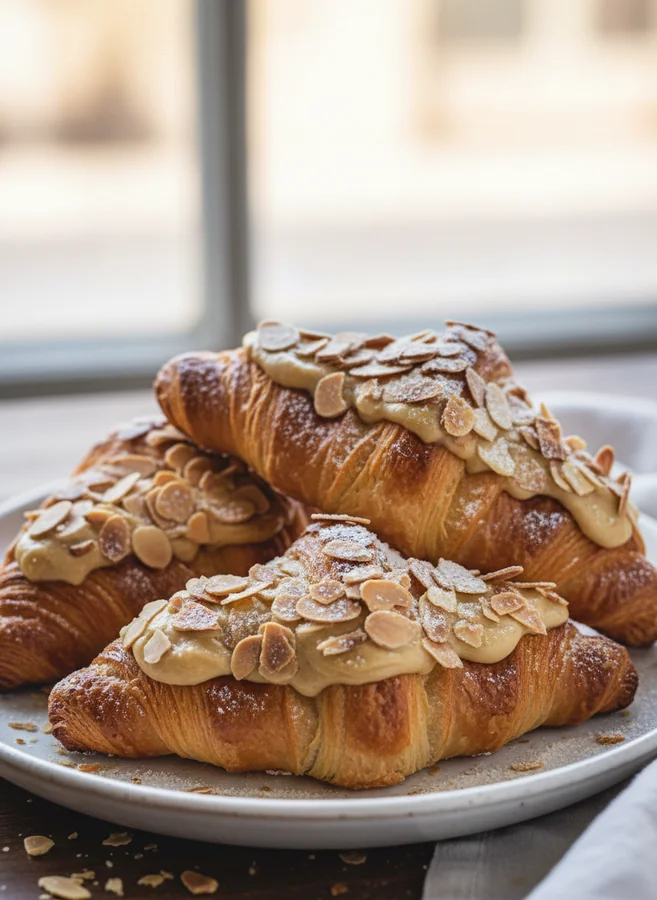
Fresh Croissants
Fresh croissants are a delightful pastry that embodies the essence of French baking. With their flaky layers and buttery goodness, they are a staple in bakeries around the world. Making croissants from scratch may seem daunting, but the reward of enjoying a warm, fresh croissant straight from the oven is well worth the effort.
Key Takeaways:
- Preparation time: Approximately 4-5 hours (including resting time)
- Difficulty level: Intermediate
- Main ingredients: All-purpose flour, butter, water, milk, sugar, salt, yeast
- Special techniques: Lamination, proofing, and shaping
- Storage information: Best consumed fresh, but can be stored in an airtight container for up to 2 days or frozen for longer storage
Introduction to Fresh Croissants:
The origins of the croissant can be traced back to Austria, where a pastry called kipferl was made as early as the 13th century. The kipferl was a crescent-shaped pastry that eventually made its way to France in the 18th century, where it evolved into the croissant we know today. The name “croissant,” which means “crescent” in French, reflects its iconic shape.
Croissants became popular in France during the 19th century, particularly after the introduction of the Viennese coffee house culture. Their delicate layers and rich flavor captured the hearts of many, making them a beloved breakfast item not just in France, but around the globe. Today, the croissant holds a significant place in French culture and is often enjoyed with coffee or jam, symbolizing the art of French pastry making.
Ingredients for Fresh Croissants:
- All-purpose flour (500g): The base of the dough, providing structure.
- Unsalted butter (350g): Adds richness and creates the flaky layers through lamination.
- Water (200ml): Hydrates the dough and activates the yeast.
- Milk (100ml): Enhances flavor and tenderness.
- Sugar (50g): Adds a hint of sweetness to the dough.
- Salt (10g): Balances flavor and strengthens the dough.
- Active dry yeast (10g): Leavens the dough, helping it to rise.
Preparation Steps for Fresh Croissants:
1. Prepare the Dough:
In a large mixing bowl, combine the all-purpose flour, sugar, and salt. In a separate bowl, dissolve the active dry yeast in warm water and let it sit for about 5 minutes until frothy. Add the milk and the yeast mixture to the flour mixture. Mix until a rough dough forms.
2. Knead the Dough:
Transfer the dough onto a lightly floured surface and knead for about 5-7 minutes until smooth and elastic. Form the dough into a ball, place it in a lightly greased bowl, cover it with plastic wrap, and let it rest in a cool place for about 1 hour.
3. Prepare the Butter Block:
While the dough is resting, prepare the butter block. Place the unsalted butter between two sheets of parchment paper and roll it out into a rectangle about 1/2 inch thick. Refrigerate until firm.
4. Lamination:
Once the dough has rested, roll it out on a floured surface into a rectangle about 1/2 inch thick. Place the chilled butter block in the center of the dough. Fold the dough over the butter, encasing it completely. Roll it out gently into a larger rectangle, then fold it into thirds like a letter. This process is known as a turn. Wrap it in plastic wrap and refrigerate for 30 minutes.
5. Repeat Turns:
Repeat the rolling and folding process two more times, refrigerating the dough for 30 minutes between each turn. This creates the layers that give croissants their flaky texture.
6. Shape the Croissants:
After the final turn, roll the dough out into a large rectangle about 1/4 inch thick. Cut the dough into triangles (about 4-5 inches wide at the base). Starting from the wide end, roll each triangle tightly towards the point to shape the croissant. Place the shaped croissants on a baking sheet lined with parchment paper.
7. Proof the Croissants:
Cover the baking sheet with a clean kitchen towel and let the croissants proof at room temperature for 1-2 hours until they have doubled in size.
8. Bake the Croissants:
Preheat the oven to 400°F (200°C). Once the croissants have proofed, brush them with an egg wash (a beaten egg mixed with a little water) to give them a golden color. Bake for 15-20 minutes until they are puffed and golden brown. Enjoy them warm right out of the oven, or let them cool slightly before serving.
Flavor Profile of Fresh Croissants:
Fresh croissants offer a unique flavor profile that balances richness and subtle sweetness. The outer crust is crispy and flaky, providing a satisfying crunch with each bite. As you break into the croissant, the soft, airy layers reveal their buttery essence, which melts in your mouth. The aroma of freshly baked croissants fills the kitchen with a warm, inviting scent that is hard to resist. This combination of textures and flavors makes croissants an extraordinary treat at any time of day. For a delightful variation, try adding a filling such as almond paste or chocolate, which enhances their appeal even further. If you’re interested, you can check out another recipe for a delicious chocolate croissant here: White Chocolate Blueberry Cheesecake 2.
Benefits of Fresh Croissants:
While croissants are often seen as an indulgent treat, they do offer some nutritional benefits when enjoyed in moderation. Made primarily from flour, butter, and yeast, fresh croissants provide carbohydrates for energy and a small amount of protein. They also contain fats from the butter, which can be part of a balanced diet. Additionally, the fermentation process involved in making croissants enhances the digestibility of the dough, making it easier on the stomach. However, it’s essential to enjoy croissants as part of a varied diet, and they are best when paired with healthier options like fresh fruit or yogurt.
Serving Suggestions for Fresh Croissants:
Fresh croissants are incredibly versatile and can be enjoyed in various ways. Traditionally, they are served warm with a pat of butter or a dollop of jam. For a more decadent experience, try pairing croissants with creamy spreads like Nutella or almond butter. They also make an excellent base for breakfast sandwiches, filled with eggs, cheese, and your choice of meats. For a delightful brunch, serve fresh croissants alongside fresh fruit, a selection of cheeses, and a steaming cup of coffee or tea. If you’re feeling adventurous, consider making a savory croissant sandwich with smoked salmon and cream cheese for a unique twist.
Storage Tips for Fresh Croissants:
To maintain the flaky texture and rich flavor of croissants, it’s essential to store them properly. Ideally, fresh croissants should be enjoyed on the same day they are baked. However, if you have leftovers, store them in an airtight container at room temperature for up to 2 days. For longer storage, croissants can be frozen. Wrap each croissant tightly in plastic wrap and then place them in a freezer-safe bag. They can be frozen for up to 3 months. To enjoy frozen croissants, simply thaw them at room temperature and reheat them in the oven at 350°F (175°C) for about 10 minutes to restore their crispiness.
Conclusion:
Fresh croissants are a delectable pastry that can brighten any morning or special occasion. With a bit of patience and practice, you can create these flaky, buttery delights in your own kitchen. Whether enjoyed plain or filled with your favorite ingredients, homemade croissants are sure to impress your family and friends. So gather your ingredients, roll up your sleeves, and try your hand at making fresh croissants; the results will be well worth the effort!
FAQ Section:
1. Can I make croissants without a stand mixer?
Yes, you can make croissants by hand. Just knead the dough well for a longer time to develop the gluten structure.
2. How long does it take to make croissants from scratch?
The total time can vary, but expect around 4-5 hours, including resting times.
3. Can I use whole wheat flour instead of all-purpose flour?
You can substitute some of the all-purpose flour with whole wheat flour, but it may alter the texture and flavor of the croissants.
4. What is the best way to reheat previously baked croissants?
The best way to reheat croissants is in the oven at 350°F (175°C) for about 10 minutes, which helps restore their flaky texture.
5. Can I freeze croissant dough?
Yes, you can freeze the dough after the first rise. Just wrap it tightly in plastic wrap and store it in the freezer.
6. What fillings can I add to my croissants?
Popular fillings include chocolate, almond paste, ham and cheese, or even savory mixtures like spinach and feta.
7. How do I know when my croissants are done baking?
Croissants are done when they are puffed up and golden brown on top.
8. Can I make croissants vegan?
Yes, you can make vegan croissants by using plant-based butter and non-dairy milk, but the texture may differ slightly.
Fresh Croissants
INGREDIENTS
- 4 cups all-purpose flour
- 1/4 cup granulated sugar
- 1 tablespoon salt
- 1 tablespoon instant yeast
- 1 1/4 cups cold milk
- 1 1/2 sticks (12 tablespoons) unsalted butter, cold and cubed
- 1 egg (for egg wash)
- 1/2 cup unsalted butter, softened
- 1 cup powdered sugar
- 1 cup almond flour
- 1 teaspoon vanilla extract
- 1 large egg
- 1 tablespoon all-purpose flour
- 1/2 cup sliced almonds
- Powdered sugar (for dusting, optional)
INSTRUCTIONS
Combine flour, sugar, salt, and yeast in a bowl. Add cold milk and mix until a dough forms. Knead briefly and refrigerate for at least 1 hour.
Pound cubed butter between parchment paper into a flat rectangle and chill until firm.
Roll out chilled dough into a rectangle, place butter block in center, fold dough over butter, and roll into a long rectangle. Perform folds and chill in between.
Beat softened butter and powdered sugar until creamy. Add almond flour, vanilla extract, egg, and flour, mixing until smooth.
Roll out laminated dough into a rectangle, cut into triangles, spread almond cream on each, and roll into crescent shapes.
Place shaped croissants on a baking sheet, cover, and let rise for 1-2 hours until doubled.
Preheat oven to 400°F (200°C).
Brush croissants with beaten egg, sprinkle with sliced almonds, and bake for 15-20 minutes until golden brown.
Cool slightly and dust with powdered sugar if desired before serving.
NOTES
Serve chilled or at room temperature. Enjoy your delicious homemade Fresh Croissants!