
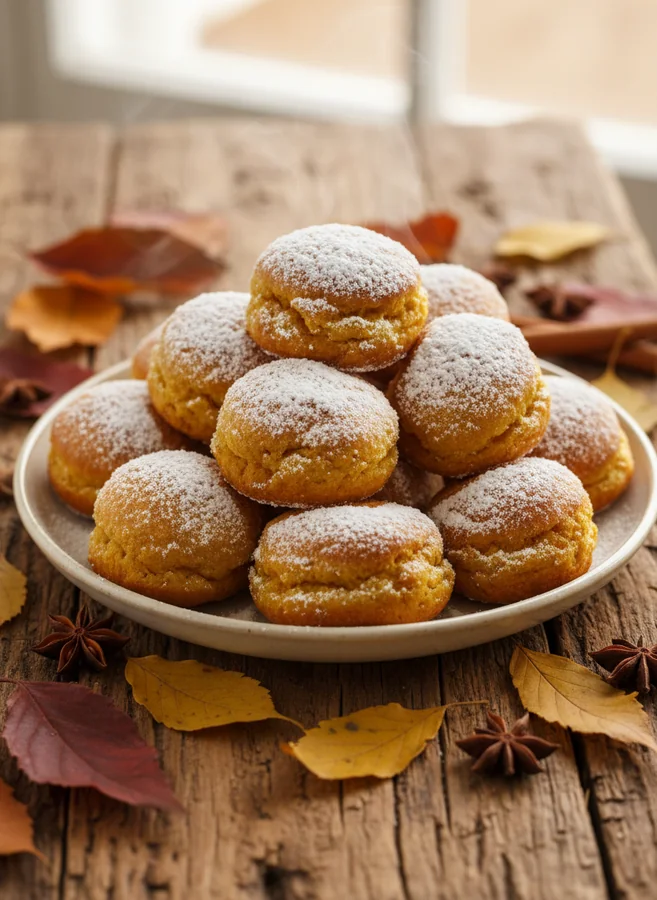
Beignets Recipe
Beignets are a delightful treat that transports you straight to the heart of New Orleans with each bite. These fluffy, pillowy pastries, dusted with powdered sugar, are perfect for breakfast, dessert, or any time you crave something sweet and indulgent. Whether enjoyed with a cup of coffee or as a stand-alone snack, beignets are sure to bring joy to your taste buds.
Key Takeaways:
- Preparation time: 2 hours (including rising time)
- Difficulty level: Intermediate
- Main ingredients: All-purpose flour, yeast, sugar, milk, eggs, butter
- Special techniques: Proper dough rising, frying technique
- Storage information: Best enjoyed fresh, but can be stored for a short time in an airtight container
Introduction to Beignets Recipe:
Beignets have a rich and storied history that dates back centuries and spans continents. Originating from France, the term “beignet” means “fritter” or “doughnut” and refers to a variety of deep-fried pastries. The French settlers brought this delectable treat to Louisiana, where it evolved into the sweet, airy version we know today, particularly associated with the vibrant culture of New Orleans.
In New Orleans, beignets are often enjoyed with café au lait at the famous Café du Monde, where they have become a cultural icon. Their significance goes beyond mere taste; they represent a melding of cultures and traditions, making them a beloved symbol of the city’s culinary heritage. Often eaten during celebrations and festivals, beignets are a must-try for anyone visiting the Big Easy or seeking to recreate a taste of New Orleans at home.
Ingredients for Beignets Recipe:
- All-purpose flour: The base of the dough, providing structure.
- Active dry yeast: Essential for leavening, creating that light, airy texture.
- Granulated sugar: Adds sweetness to the dough.
- Milk: Contributes to the dough’s moisture and richness.
- Eggs: Adds structure and richness to the beignets.
- Butter: Provides a rich flavor and helps with the dough’s texture.
- Salt: Enhances the overall flavor.
- Powdered sugar: For dusting, adding sweetness and an attractive finish.
- Vegetable oil: For frying, ensuring the beignets cook evenly and develop a golden crust.
Preparation Steps for Beignets Recipe:
1. Activate the Yeast: In a small bowl, combine 1/4 cup of warm milk (about 110°F) with 1 tablespoon of sugar and 2 1/4 teaspoons of active dry yeast. Stir gently and let it sit for about 5-10 minutes until it becomes frothy.
2. Prepare the Dough: In a large mixing bowl, combine 4 cups of all-purpose flour, 1/4 cup of sugar, and 1 teaspoon of salt. Make a well in the center and add the yeast mixture, 2 beaten eggs, and 1/2 cup of melted butter. Gradually mix in the remaining milk until a dough forms.
3. Knead the Dough: Transfer the dough to a floured surface and knead for about 5-7 minutes until it becomes smooth and elastic. If the dough is too sticky, sprinkle a little more flour as needed.
4. First Rise: Place the dough in a greased bowl, cover it with a clean kitchen towel, and let it rise in a warm place until doubled in size, about 1-2 hours.
5. Shape the Beignets: Once risen, punch down the dough and roll it out on a floured surface to about 1/4 inch thick. Use a sharp knife or a pizza cutter to cut the dough into squares, approximately 2 inches by 2 inches.
6. Second Rise: Place the cut squares on a floured baking sheet, cover them, and let them rise for an additional 30-45 minutes.
7. Fry the Beignets: In a large pot or deep fryer, heat vegetable oil to 350°F (175°C). Carefully drop in a few pieces of dough at a time, frying for about 2-3 minutes on each side until they are golden brown. Use a slotted spoon to transfer them to a paper towel-lined plate to drain excess oil.
8. Dust with Powdered Sugar: Once slightly cooled, dust the beignets generously with powdered sugar before serving.
9. Serve and Enjoy: Serve warm and enjoy with a cup of coffee or hot chocolate. For an extra kick, try pairing them with a spicy dipping sauce or a flavored syrup, just like in our delightful churros recipe Chocolate Cake Cheesecake Filling Ganache 2.
Flavor Profile of Beignets Recipe:
Beignets are a sensory delight, offering a combination of flavors and textures that can be irresistible. The exterior is slightly crisp and golden, while the interior is light, fluffy, and tender, creating a delightful contrast. When bitten into, the warm dough releases a subtle sweetness, complemented by the cloud of powdered sugar that coats each pastry.
The aroma of freshly fried beignets is enticing, filling the air with a comforting, buttery scent that beckons you to indulge. Each bite melts in your mouth, delivering a satisfying experience that is both comforting and celebratory. The versatility of beignets also allows for creative flavor variations, such as adding spices or fillings, enhancing their appeal even further.
Benefits of Beignets Recipe:
While beignets are primarily a treat to satisfy your sweet tooth, they do offer some nutritional value. The main ingredients provide carbohydrates for energy, and the use of eggs and milk adds protein and calcium. However, it’s essential to enjoy them in moderation, as they are fried and contain sugar.
Despite their indulgent nature, making beignets at home allows you to control the ingredients, ensuring a fresher product without preservatives. They can also be a fun and engaging activity to do with family or friends, making the experience of cooking and sharing food even more meaningful.
Serving Suggestions for Beignets Recipe:
Beignets are best served warm, fresh out of the fryer, and are traditionally enjoyed with a generous dusting of powdered sugar. They pair beautifully with a cup of rich café au lait or freshly brewed coffee, making for a delightful breakfast or snack.
For those looking to elevate their beignet experience, consider serving them alongside flavored syrups, chocolate sauce, or fruit compotes. You can also explore unique variations by adding fillings such as cream cheese, chocolate, or fruit preserves, reminiscent of other pastries like doughnuts or filled pastries. For more creative dessert ideas, check out our unique puff pastry recipes Really Good Bulgar Pilaf Bulgar Pilaf Recipe.
Storage Tips for Beignets Recipe:
Beignets are best enjoyed fresh, as they can lose their desirable texture over time. If you have leftovers, store them in an airtight container at room temperature for up to 2 days. However, be aware that the powdered sugar may melt into the beignets, and they may become less crisp.
For longer storage, you can freeze un-fried beignet dough. After cutting the dough into squares, place them on a baking sheet lined with parchment paper and freeze until solid. Once frozen, transfer them to a zip-top freezer bag. When ready to enjoy, fry them straight from the freezer, adding a minute or two to the cooking time.
Conclusion:
Beignets are a delicious and fun pastry that anyone can make at home. With their light, fluffy texture and sweet flavor, they are the perfect treat for any occasion. Whether you enjoy them as a breakfast staple or a sweet afternoon snack, these delightful pastries are sure to impress your family and friends. So grab your ingredients and start your beignet-making adventure today!
FAQ Section:
1. Can I use instant yeast instead of active dry yeast?
Yes, you can substitute instant yeast for active dry yeast in this recipe. Just mix it directly with the dry ingredients without proofing it first.
2. Can I make beignets in advance?
Beignets are best enjoyed fresh, but you can prepare the dough in advance and freeze it before frying.
3. What type of flour is best for beignets?
All-purpose flour is recommended for making beignets, as it provides the right texture and structure.
4. How do I know when the oil is hot enough for frying?
You can test the oil by dropping a small piece of dough into it; if it sizzles and rises to the surface, the oil is ready.
5. Can I bake beignets instead of frying them?
While frying gives beignets their characteristic texture, you can bake them at a high temperature, but they will not have the same crispy exterior.
6. What can I use instead of powdered sugar for dusting?
If you don’t have powdered sugar, you can use granulated sugar, but the texture and sweetness will be different.
7. How long can I store beignets?
Beignets are best eaten within 1-2 days when stored in an airtight container at room temperature.
8. Can I flavor the dough?
Yes! You can add spices like cinnamon or nutmeg to the dough for added flavor, or even add vanilla extract for a sweeter taste.
Beignets Recipe
INGREDIENTS
- 2 cups all-purpose flour
- 1/2 cup canned pumpkin puree
- 1/4 cup granulated sugar
- 1 teaspoon baking powder
- 1/2 teaspoon baking soda
- 1 teaspoon ground cinnamon
- 1/2 teaspoon ground nutmeg
- 1/4 teaspoon ground ginger
- 1/4 teaspoon salt
- 1/2 cup milk
- 1 large egg
- 2 tablespoons unsalted butter, melted
- Oil for frying
- 1 cup powdered sugar
- 1 teaspoon ground cinnamon
- Optional: a pinch of nutmeg
INSTRUCTIONS
Whisk together flour, sugar, baking powder, baking soda, cinnamon, nutmeg, ginger, and salt in a large bowl.
Mix pumpkin puree, milk, egg, and melted butter in another bowl, then combine with dry ingredients to form a soft dough.
Refrigerate the dough for 30 minutes to 1 hour.
Roll out the dough to 1/2 inch thick and cut into 2×2 inch squares.
Heat oil in a deep frying pan to 350°F (175°C).
Fry dough squares for 2-3 minutes on each side until golden brown.
Remove beignets with a slotted spoon and drain on paper towels.
Mix powdered sugar and cinnamon, then toss warm beignets in the mixture.
NOTES
Serve chilled or at room temperature. Enjoy your delicious homemade Beignets Recipe!